



5 Common Metal Roof Mistakes and How to Avoid Them | Roofing University
Metal Roof Mistakes: What Rookie Installers Always Get Wrong
Metal roofing looks simple when you’re watching someone who knows what they’re doing. But when a rookie hits the roof with a box of screws and zero training, it doesn’t take long before panels start leaking, oil canning, or flapping in the wind.
At Roofing University, we see the same mistakes over and over. Whether you’re switching from asphalt or trying metal for the first time, avoiding these rookie moves will save you callbacks, wasted panels, and angry homeowners.
Bad Measurements and Layout
This is mistake number one — bad math kills good metal.
If your layout is off by even half an inch, your seams won’t line up, your trims won’t close right, and you’ll waste time fighting it.
Pro Tip: Always start with a square eave line and measure from a known reference point (not a wavy fascia). Snap chalk lines, double-check diagonals, and pre-plan where your cut panels will land.
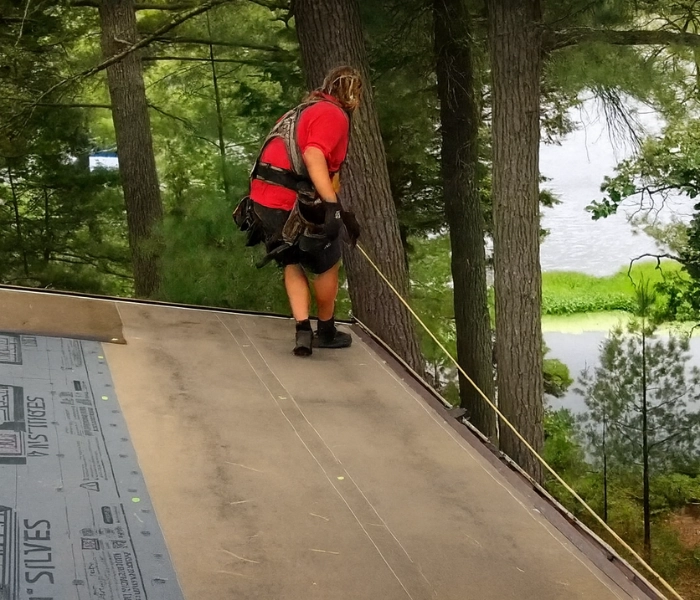
"If your lines aren’t straight, nothing else will be. Check your layout twice before you mark it, and the whole job will go smoother."
Skipping or Misusing Underlayment
Metal expands, contracts, and sweats. That’s why underlayment isn’t optional.
Some rookies throw metal straight onto plywood — that’s a one-way ticket to rot and corrosion.
Use a high-temp synthetic underlayment rated for metal roofs, and overlap your seams correctly (minimum 4 inches). Keep it tight, flat, and fully covered.
Wrong Fasteners, Wrong Angles
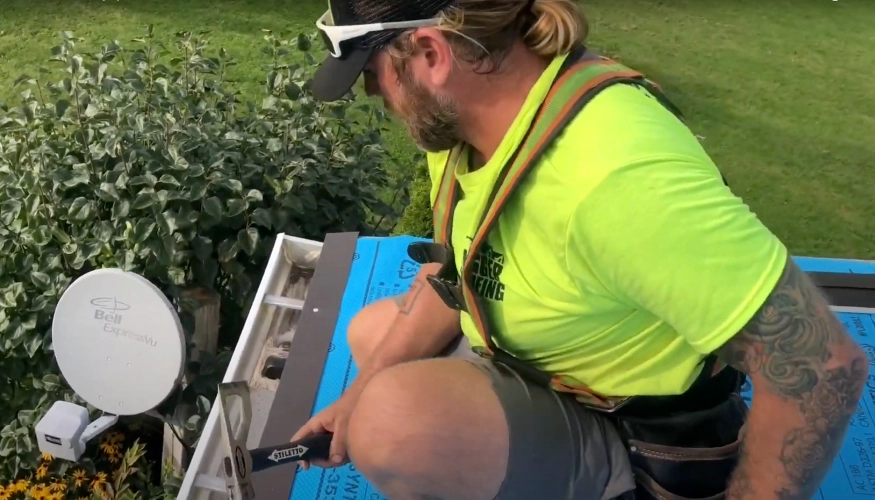
You’d be shocked how many screws get installed crooked.
A tilted fastener breaks the washer seal and invites leaks the first time it rains.
Here’s the rule:
Screw perpendicular to the panel.
Don’t overtighten — flatten the washer, don’t crush it.
Always use fasteners approved by the manufacturer (coated, not generic).
Poor Flashing Work
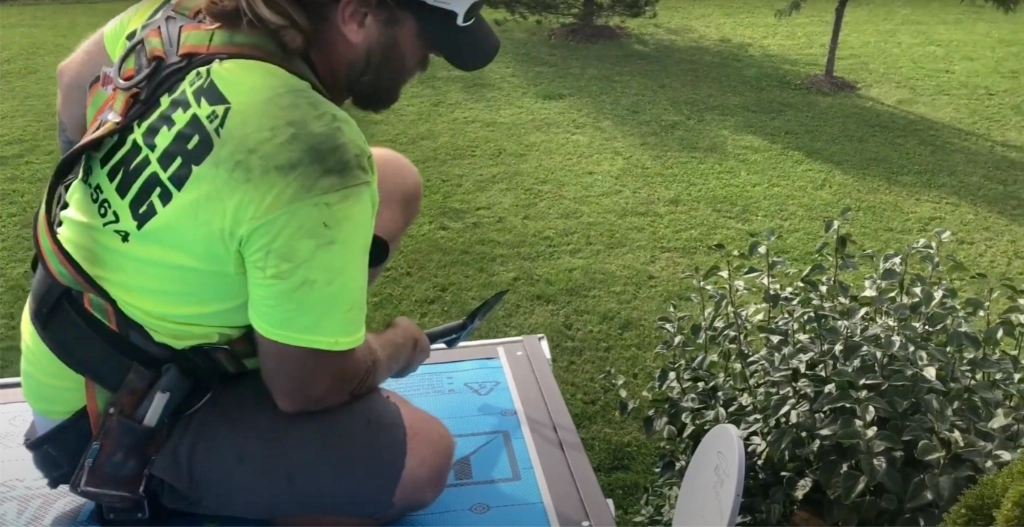
Even a perfect field install can leak if the flashing is wrong.
Common rookie move: cutting valleys too tight, skipping sealant, or jamming metal into wall intersections without overlap.
Fix it:
Always tuck step flashing behind siding.
Use butyl or foam closure where needed.
Overlap valley panels 6” minimum and seal between layers.
“Flashings don’t just stop leaks. They show whether you actually know what you’re doing. A bad flashing job is like signing your name on a mistake.”
Weak Eaves, Gables, and Trim Work
A metal roof is only as clean as its edges.
Loose gable trims, unsealed starters, or sloppy cuts at the eave can ruin an otherwise solid install. These areas take the most water, wind, and UV abuse — so if they’re not tight, you’ll see problems fast.
Here’s what the pros focus on:
Keep the eave line straight and true before your first shingle goes on.
Make sure your gable trim overlaps cleanly and sits flat — no wavy lines.
Always seal exposed cuts and use closures where daylight shows through.
If the edges look bad, the whole roof looks bad. Clean lines and proper sealing separate a professional job from a rookie one.
No Training or System Knowledge
Every metal system — Diamond Steel, standing seam, hidden fastener — has its own quirks.
The biggest mistake of all is assuming you can “figure it out” on-site. That’s how materials get wasted and reputations get wrecked.
If you’ve never done a metal roof before, don't guess. Learn it hands on.
Join the next Roofing University training session with Josh Bigger (The Best Damn Roofer) and get real instruction, not YouTube shortcuts.
Final Thoughts
Metal roofs don’t forgive sloppy work. Every cut, fastener, and bend matters.
Avoid these rookie mistakes, and your installs will last decades — and actually look like they should.
Want to master metal?
👉 Register for the next Roofing University training and learn directly from The Best Damn Roofer himself.


